


Maritime security in the Gulf of Guinea has changed significantly in recent years. While reported piracy incidents have reduced from previous highs, vessel operators continue to face security risks that require experienced personnel, effective procedures and close coordination between vessel crews, security teams and naval authorities.
Within Nigerian waters, local maritime security personnel play a central role in supporting safe offshore operations. Their effectiveness depends on practical shipboard knowledge, clear communication with the bridge team and the ability to respond decisively in a fast-moving situation.
Practical training is what turns technical knowledge into operational capability.
Bridging the Gap Between Training and Operations
Every vessel presents a different operating environment. Bridge layouts vary, equipment differs between vessels, and every crew develops its own way of working.
Security personnel may have a strong understanding of security procedures and excellent situational awareness, but they also need to:
- rapidly orient themselves to any ship’s physical and operational layout
- understand what information the bridge team is working from
- communicate clearly during an incident.
When a suspicious contact is identified on radar or an alarm is raised, everyone on board needs to understand their role and work together as a coordinated team. This level of integration comes through practical experience and continuous training.
Investing in Practical Training
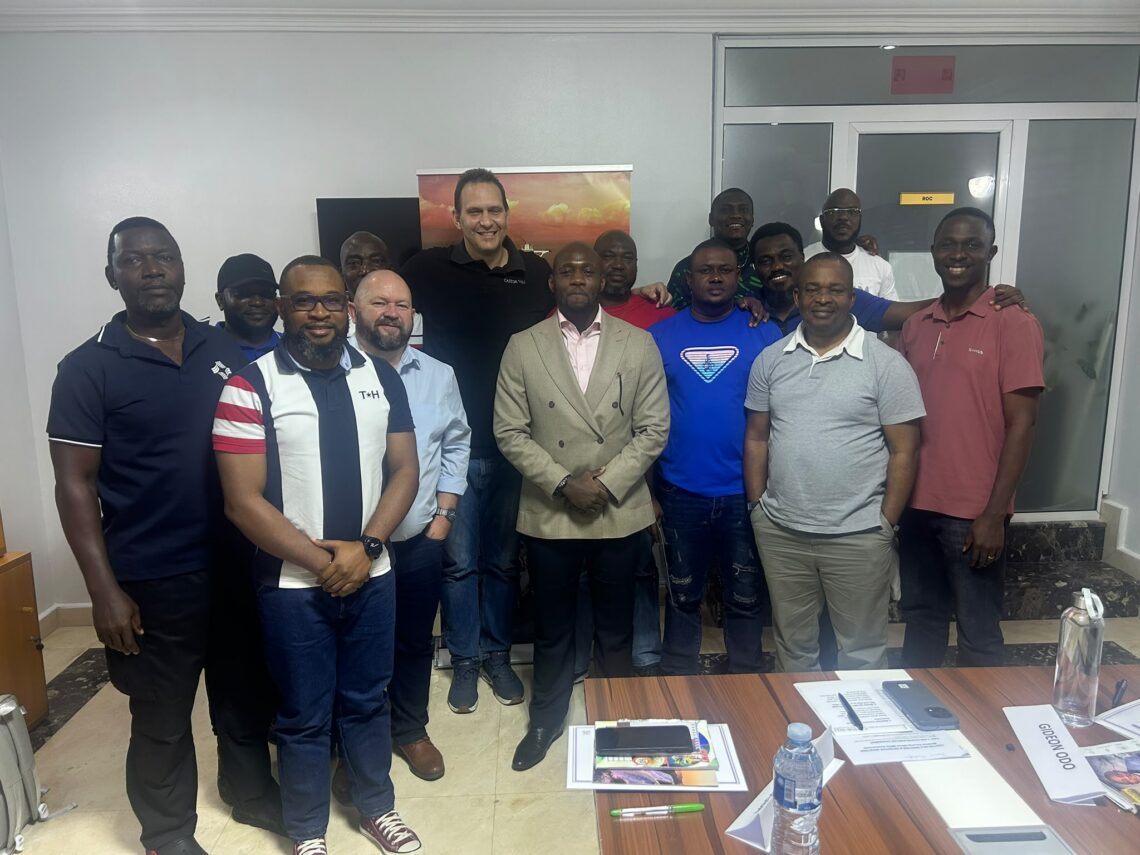
As part of Castor Vali’s ongoing commitment to maintaining high operational standards, our Offshore Operations Manager, Nikolaos Topouzis, recently delivered an intensive training programme in our Lagos office to 12 of our Nigerian maritime security officers (MSOs).
Drawing on more than 15 years of offshore security management experience, the programme focused on practical application rather than classroom theory, helping participants build on their existing operational experience and strengthen the skills they use during live deployments.
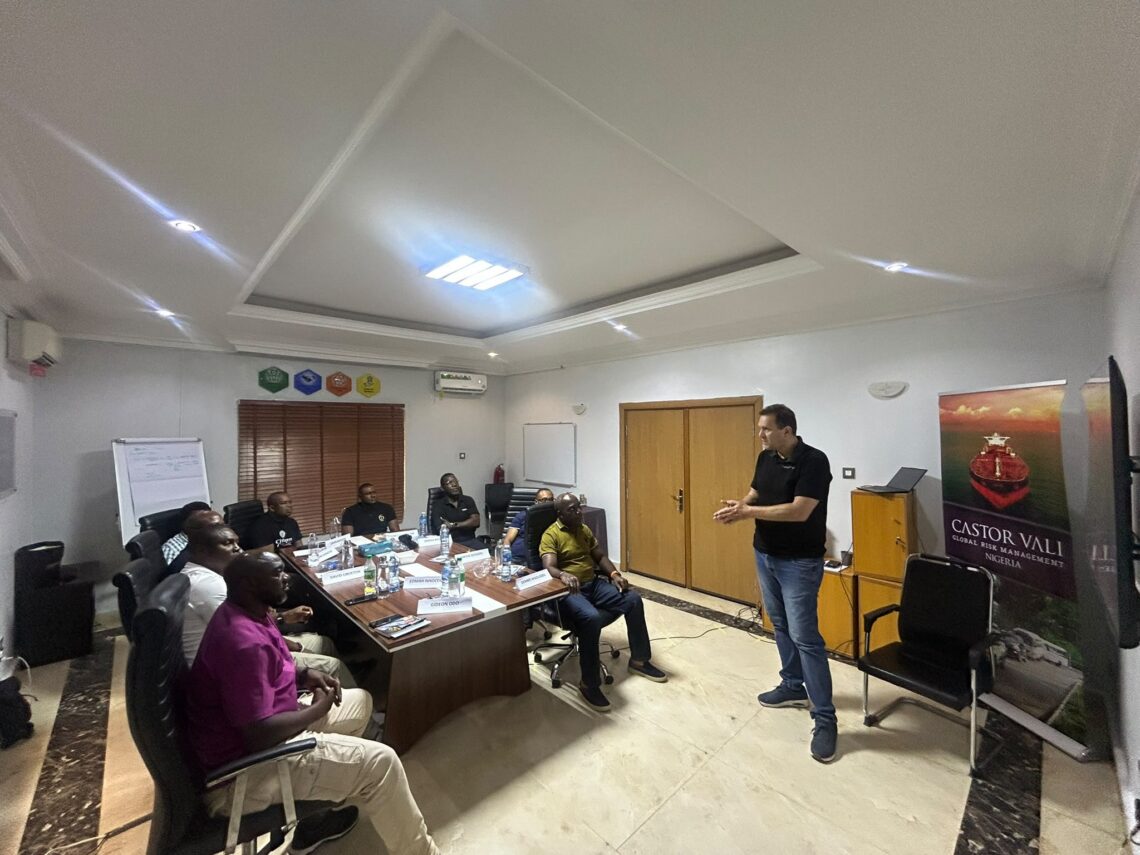
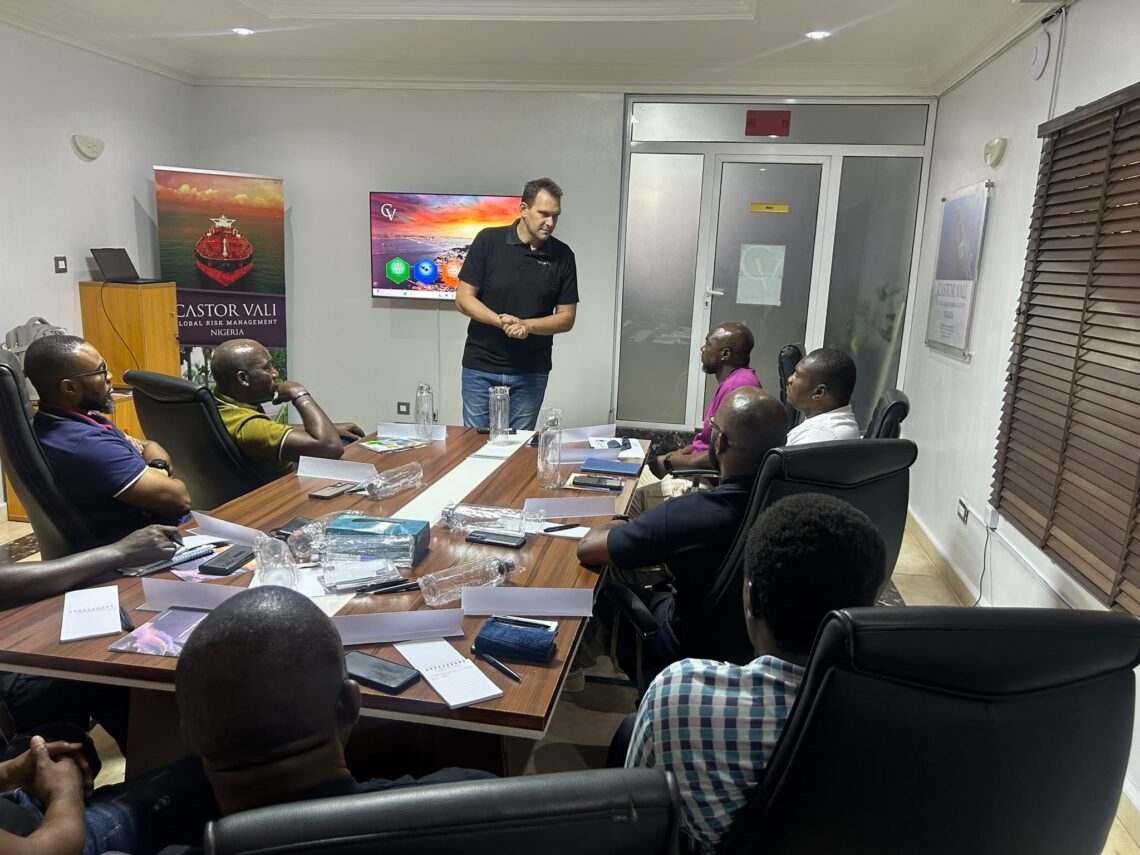
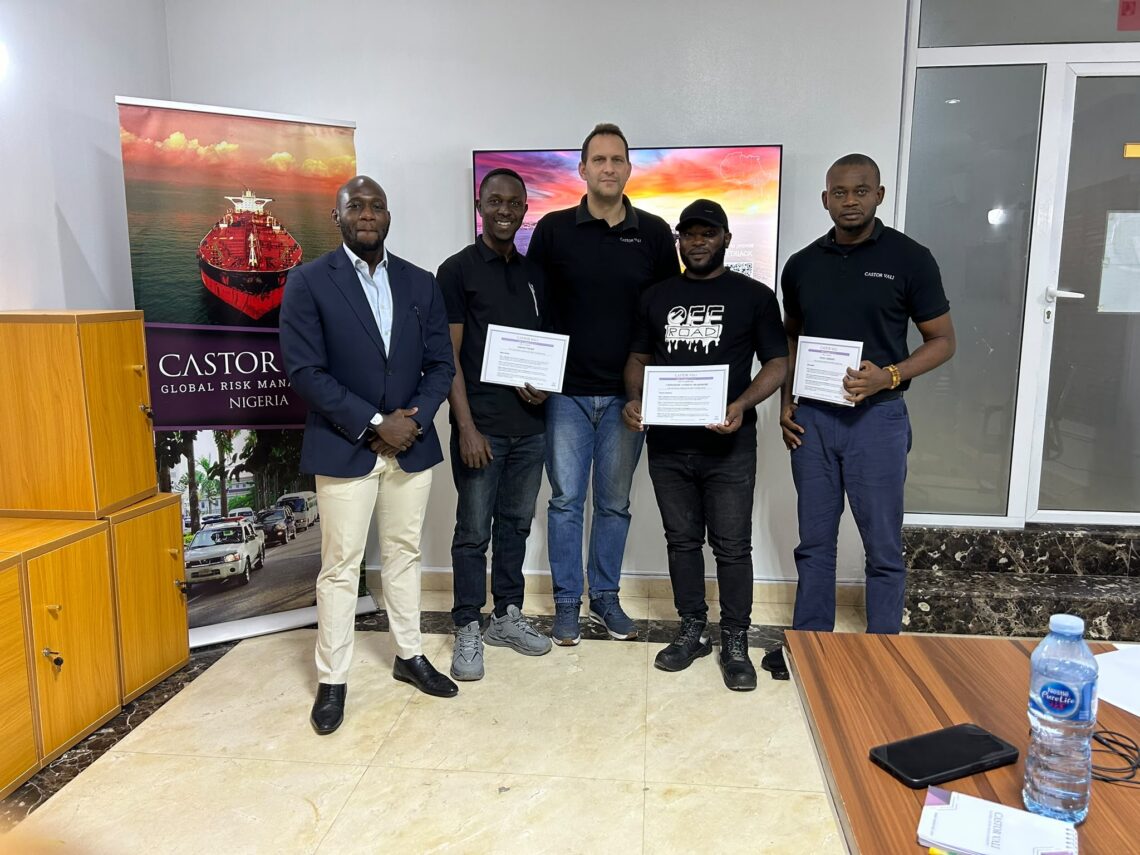
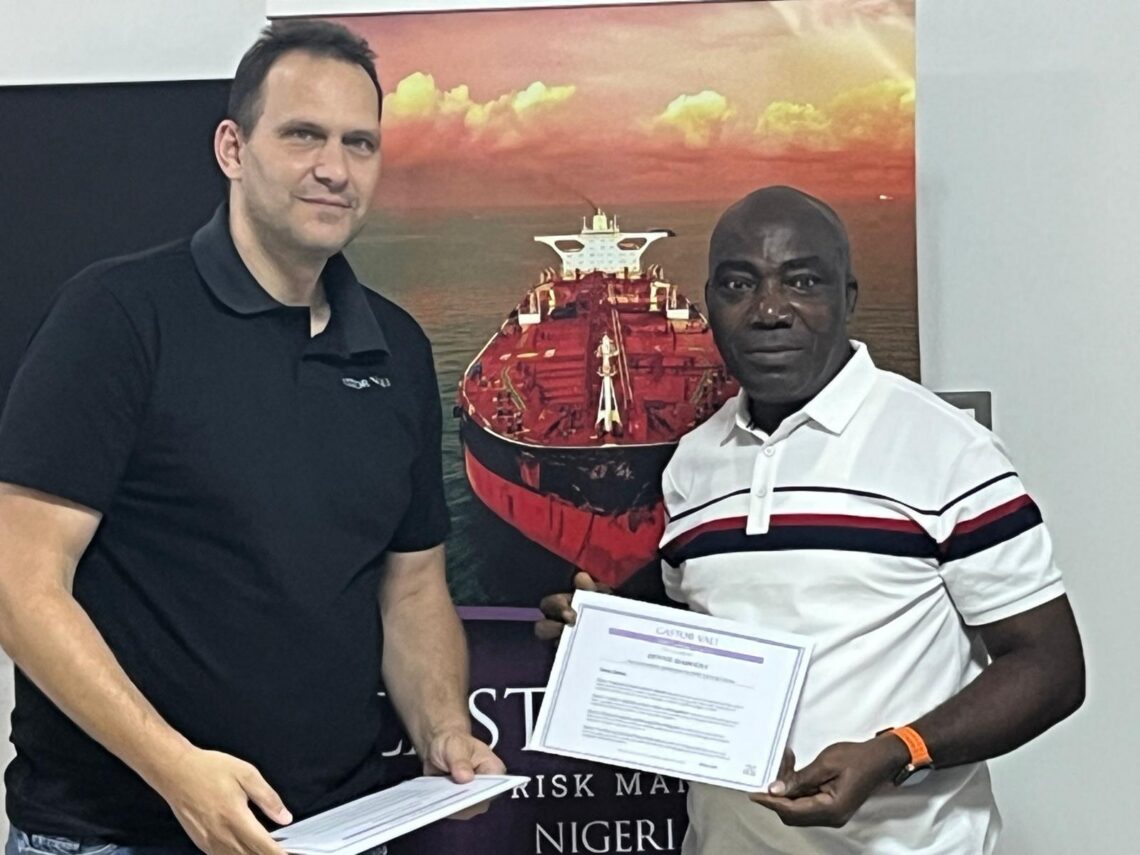
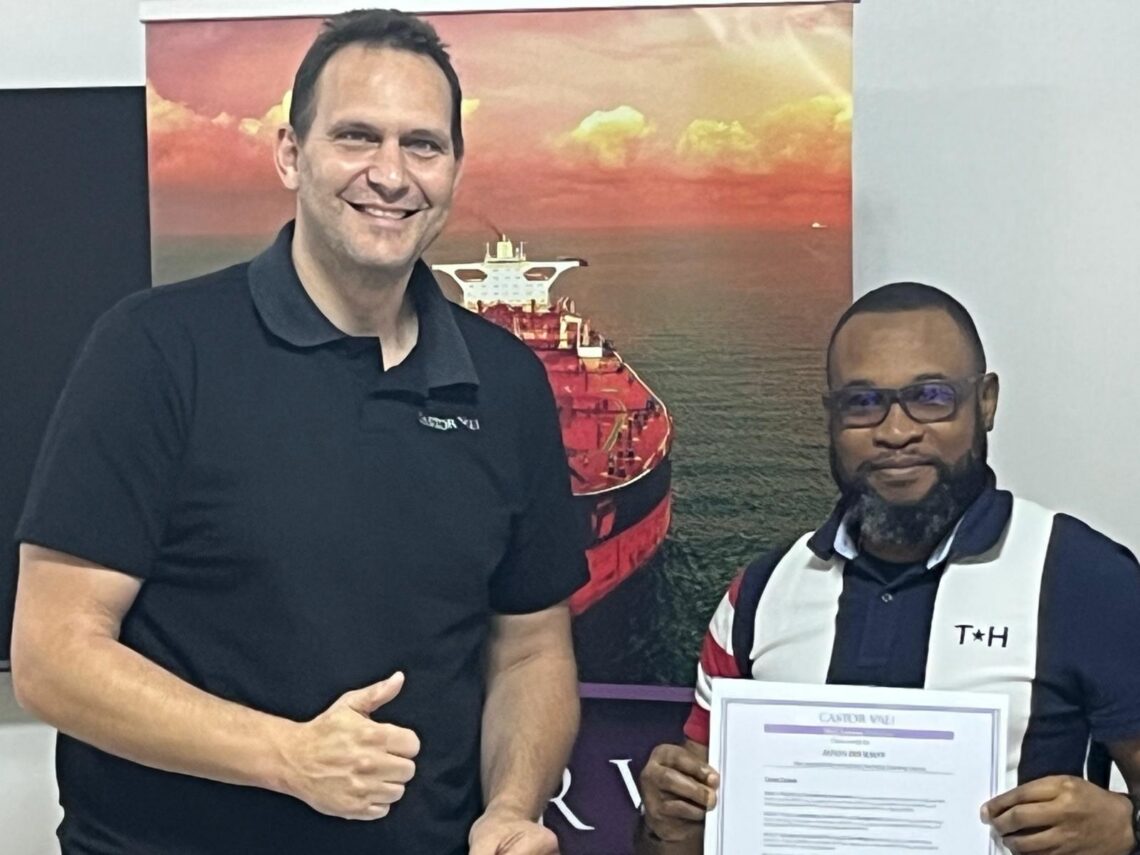
The training covered five key areas:
- Applying the ISPS Code and Best Management Practices (BMP): Reinforcing the practical application of internationally recognised procedures during maritime security incidents, helping personnel make informed operational decisions.
- Company procedures and safety culture: Standardising operational responses, reporting procedures, rules governing the use of force and mandatory safety protocols across every deployment.
- Vessel familiarisation: Understanding ship layouts, including citadels, emergency escape routes, mustering areas and the location of essential safety equipment.
- Bridge equipment and navigation systems: Developing practical familiarity with radar, Automatic Identification Systems (AIS) and GMDSS communications to better understand the operational picture available to the bridge team.
- Maritime communication: Using standard nautical terminology to improve communication between security personnel, Masters, bridge officers and local naval authorities during high-pressure situations.
These are practical skills that help security personnel contribute effectively from the moment they step on board.
What This Means for Vessel Operators
For Masters and vessel operators working offshore Nigeria, practical training helps security personnel contribute effectively from the point of embarkation. These benefits include:
- Faster integration with the crew: Familiarity with vessel layouts, bridge procedures and maritime terminology enables security personnel to work confidently alongside the Master and bridge team.
- Better situational awareness: Understanding radar, AIS and onboard communications helps security personnel interpret the operational picture and communicate clearly and quickly as situations develop.
- Greater confidence under pressure: Regular practical training reinforces established procedures, enabling security personnel to respond calmly and consistently during security incidents.
- Stronger local capability: Ongoing investment in training helps maintain consistent operational standards while continuing to develop experienced Nigerian maritime security personnel with a thorough understanding of the operating environment.
Regular face-to-face training also provides an opportunity to share operational lessons, discuss changes in best practice and ensure security personnel remain aligned with evolving procedures and the realities of offshore operations in the Gulf of Guinea.
Continuous Improvement
Effective maritime security depends on preparation, professionalism and continuous improvement.
By investing in regular, practical training delivered by experienced operational personnel, Castor Vali helps ensure its maritime security teams remain ready to integrate with vessel crews, support Masters during security incidents and contribute to safe offshore operations across Nigerian waters.