


Kenya is facing the prospect of strong El Niño conditions during the October to December 2026 rainfall season, with potentially significant consequences for businesses, transport networks and communities across the country.
The Kenya Meteorological Department has forecast above-normal rainfall from October, with an 81% likelihood of strong El Niño conditions. Associated impacts could persist into early 2027.
For organisations operating in Kenya, understanding where this risk intersects with their people, operations and supply chains will be critical to preparing for potential disruption.
What could El Niño mean for businesses in Kenya?
Heavy rainfall could cause widespread flooding and landslides, affecting infrastructure and disrupting the movement of people and goods.
Potential impacts include:
- Damage or temporary closure of roads and bridges
- Disruption to logistics and supply chains
- Interruptions to electricity and telecommunications
- Temporary displacement of communities in flood and landslide-prone areas
- Increased incidence of water-borne and vector-borne diseases
- Agricultural losses and increased food insecurity
These risks could create significant operational challenges for businesses, particularly where employees, suppliers and transport networks are located in affected areas.
Where is the greatest exposure?
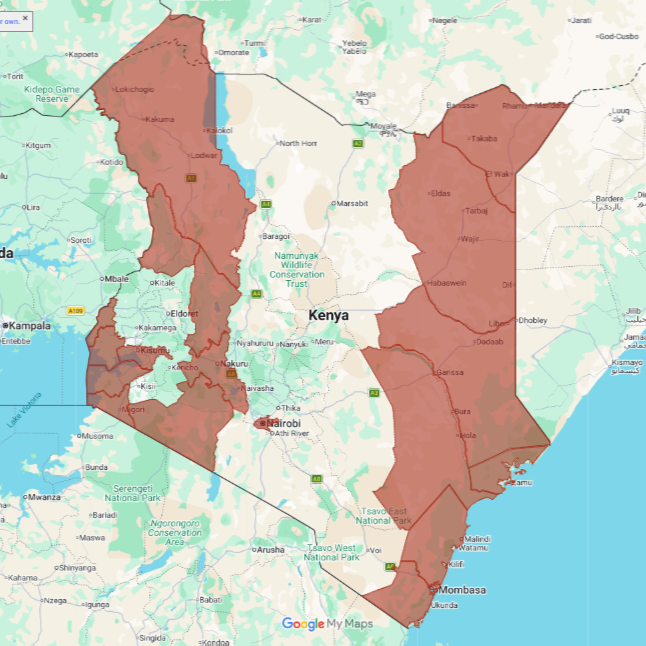
The Kenya Meteorological Department has identified 20 counties at heightened risk. These span coastal areas, the Lake Basin, Rift Valley and north-east Kenya. Nairobi, Mombasa and Kisumu are among the urban centres identified as potentially exposed.
Turning the forecast into operational intelligence
Castor Vali’s Risk Intelligence Services team recently conducted a bespoke assessment of the developing El Niño threat for a client operating in Kenya.
The assessment mapped areas of heightened risk against the client’s operations and identified practical measures to mitigate potential disruption.
Preparing for disruption
Early preparation can help organisations reduce their exposure and maintain operations as conditions develop.
Depending on their locations and activities, measures could include:
- Mapping staff locations against identified flood and other high-risk areas
- Assessing main supply routes and identifying viable alternatives in advance
- Pre-positioning emergency resources in higher-risk locations
- Moving products to market earlier to reduce transport exposure
- Strengthening early warning systems to support timely decisions as weather and flood conditions change
Where severe weather could affect critical operations, organisations should review their business continuity and crisis management arrangements. This could include testing response procedures and decision-making processes before disruption occurs.
Through bespoke intelligence and analysis, Castor Vali helps clients understand their exposure, make informed decisions and prepare for potential disruption.
For more information about El Niño, our country or bespoke reporting, feel free to contact us at info@castorvali.com or complete the form below and a member of our team will get back to you.
Risk Intelligence Service Trial
Clients interested in trailing our subscription packages should complete this form: